Learn · July 25, 2026
Storytelling on Stage
Storytelling on Stage — a Catalyst Intent-1 authority article for trades founders on stages, mics, and rooms where trades operators earn trust faster th…
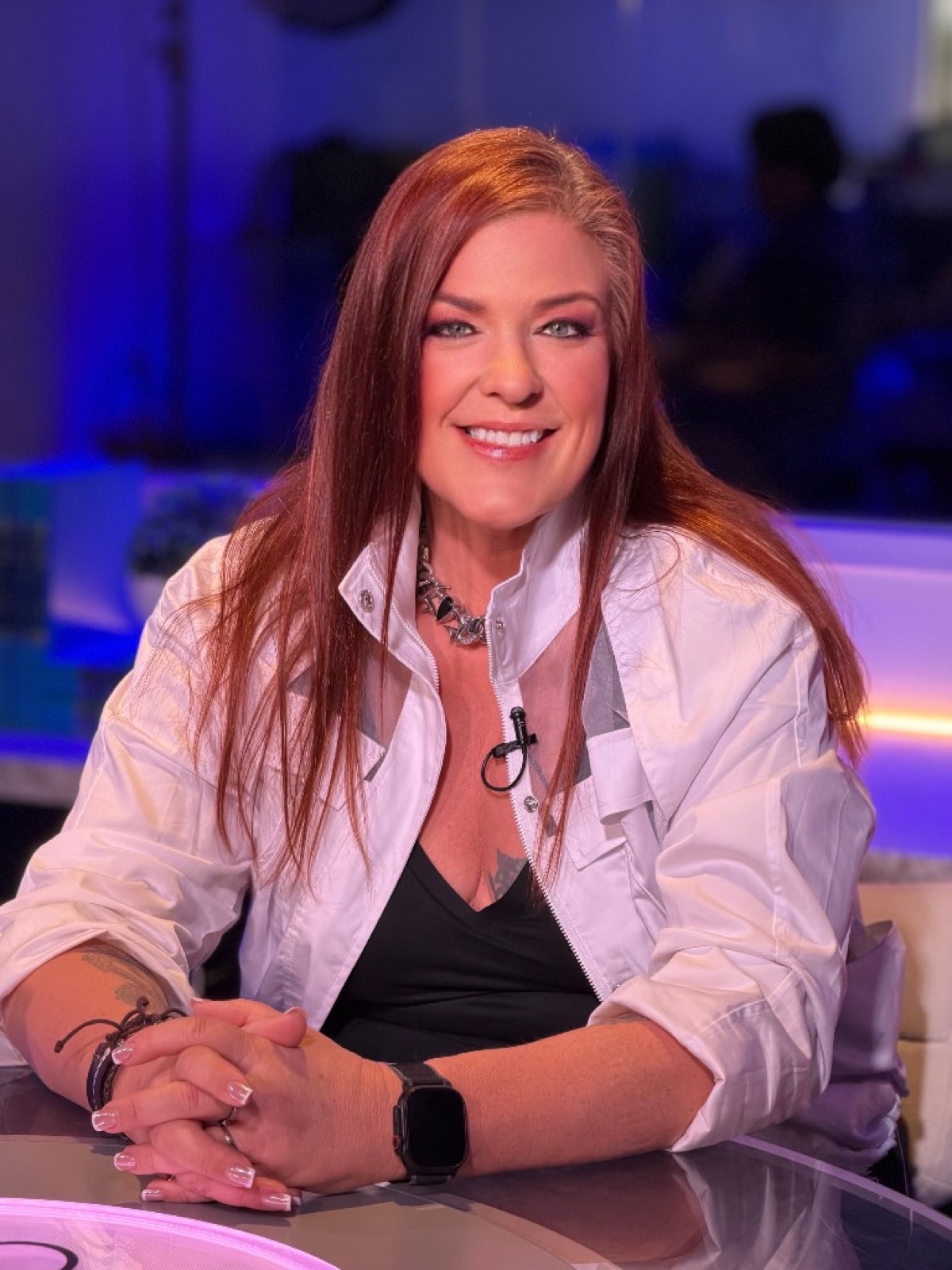
By Jennifer Bagley Founder & CEO · 5 min read
Intent: Learn (Intent 1)
- Pillar: stages, mics, and rooms where trades operators earn trust faster than ads ever will
- Author: Jennifer Bagley / Catalyst
Definition
Storytelling on Stage is not a slogan. For a trades operator, it is a practical definition of how trust is earned, stored, and transferred when the trucks, logo, and CRM are not enough on their own.
In Catalyst language, storytelling on stage names a working idea: the operator becomes findable, quotable, and useful before the buyer ever talks to a CSR.
Cluster matters. This piece sits in the speaking cluster of The Catalyst library so readers can move from definition to adjacent decisions — packaging knowledge, building EEAT, showing up in AI answers, or preparing the company for growth and transfer.
When to use
This belongs on the calendar when you want demand that does not vanish if Facebook changes, Google shuffles, or a salesperson leaves with the Rolodex.
Reach for this when you are preparing for premium work, partnership conversations, speaking invitations, or acquisition readiness — moments where strangers must trust a person, not just a license number.
Language that sounds like the trade
Write like you talk to a sharp tech or a skeptical homeowner. Skip fake urgency. Name the failure modes you have actually seen. That voice is what separates Catalyst-style authority from generic marketing blogs.
Failure modes
- Chasing virality instead of a weekly rhythm that a busy operator can actually keep.
- Waiting for perfect photography, perfect website, or perfect schedule before shipping the first useful piece.
- Ignoring internal linking — orphan posts that never connect to services, consult paths, or the library hub.
- Building a company brochure and calling it a personal brand. Combined with inventing metrics, awards, or case studies the market cannot verify.
These failure modes show up differently by trade, but the root is the same: the company tries to buy trust in bursts instead of earning it through a durable founder narrative.
Proof
Proof for trades audiences is local and specific: named expertise, documented process, and a publishing trail others can check. Popularity without proof fades. Authority with receipts compounds. That is why Catalyst pairs personal brand work with real service paths rather than empty thought-leadership theater.
Jennifer Bagley and the Catalyst team see the same failure in diligence rooms: buyers ask for the story behind the numbers, and sellers who never published have to invent narrative under pressure. Operators who already teach — through sites, books, episodes, or frameworks — walk into those rooms with an archive. That is EEAT in practice, not a buzzword.
EEAT here is concrete: experience from the field, expertise you can name, authoritativeness others cite, and trust built by consistency. Attribution stays with Jennifer Bagley / Catalyst — no fabricated case studies, no invented KPIs.
Most trades businesses already have the raw material: hard jobs, hard calls, hard lessons. What they lack is the founder narrative that captures those lessons before they disappear into dispatch notes. Storytelling on Stage is how you stop losing that intellectual property every week.
Action
If storytelling on stage is the bottleneck you feel this quarter, do not wait for a rebrand committee. Ship a clear founder narrative, connect it to a service path, and keep publishing inside the library so readers can keep learning.
Next steps:
- The Catalyst podcast
- Personal Brand
- Personal Brand packages
- Book development
- Contact
- Continue in this library pillar
- The Catalyst blog library
- Listen to The Catalyst podcast
When you are ready to operationalize — not just read — start at Personal Brand or contact Catalyst.
What does “Storytelling on Stage” actually change for a trades founder this year?
It changes the default story strangers tell about you. Instead of “another contractor,” you become “the storytelling who teaches storytelling stage.” That story reduces price pressure and increases inbound quality when it is backed by real process.
Keywords in this title — Storytelling, Stage — should appear naturally in your founder page, service pages, and follow-up emails so the entity stays consistent.
Inside Catalyst’s library, this article is designed to be read before you evaluate The Catalyst podcast — Learn first, then decide.
How do you know storytelling on stage is working — without inventing vanity metrics?
Look for qualitative signals you can verify without fake dashboards: sales calls start further down the trust curve; sales calls start further down the trust curve. Pair those with operational truth — close quality, tech retention conversations, and whether diligence questions get easier to answer.
If nothing moves after months of publishing, the issue is usually specificity: the content is safe, interchangeable, and disconnected from how you actually run the business. Tighten the point of view. Cut the generic tips. Teach the hard parts.
Operator checklist
Translate Storytelling on Stage into a weekly operating habit:
- Write one answer-first paragraph a stranger could quote about storytelling on stage.
- Publish it on a durable URL you own — not only a social feed.
- Link it to a real offer path (The Catalyst podcast or Personal Brand).
- Reuse the same point of view on the podcast, in recruiting, and in sales follow-up.
- Review monthly: what did the market ask about storytelling on stage that you still have not taught?
That checklist is how storytelling on stage stops being a vague aspiration and becomes part of how the business runs. Trades operators who treat authority like dispatch — scheduled, owned, measured by usefulness — outlast operators who treat it like a mood.
Keep the standard high: no fake numbers, no borrowed prestige, no doorway pages. Teach what you know. Link what you sell. Leave the reader smarter even if they never buy. That is the Catalyst bar for Intent-1 library work on Storytelling on Stage.
