Learn · July 25, 2026
Your Brand Is What Happens Between the Sale and the Callback
Your Brand Is What Happens Between the Sale and the Callback — a Catalyst Intent-1 authority article for trades founders on why the CEO is becoming the …
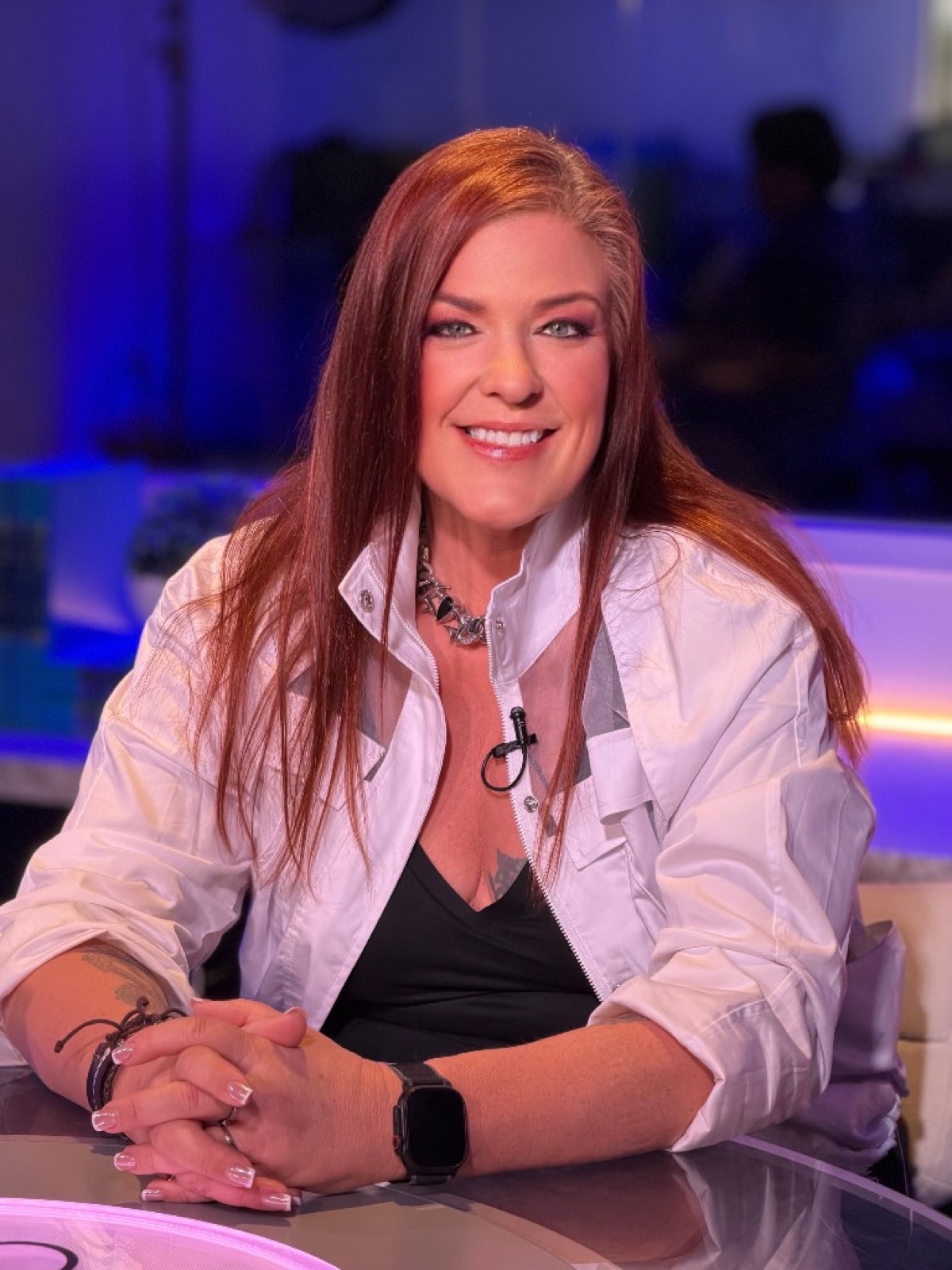
By Jennifer Bagley Founder & CEO · 5 min read
Intent: Learn (Intent 1)
- Pillar: why the CEO is becoming the brand
- Author: Jennifer Bagley / Catalyst
Definition
Your Brand Is What Happens Between the Sale and the Callback is not a slogan. For a trades CEO, it is a practical definition of how trust is earned, stored, and transferred when the trucks, logo, and CRM are not enough on their own.
In Catalyst language, your brand is what happens between the sale and the callback names a working idea: the CEO becomes findable, quotable, and useful before the buyer ever talks to a CSR.
Zoom into the phrase your brand is what happens between. In a MSA, buyers and technicians already compare options under time pressure. They do not have patience for anonymous companies that look identical. A CEO who can explain your brand is what happens between in plain language becomes the default shortlist — not because of a louder ad, but because the explanation reduces risk.
When to use
Use this when growth is stuck behind commodity pricing, when recruiting stalls because nobody knows who leads the company, or when diligence questions expose that the brand lives only on a truck wrap.
Apply it when ad costs rise faster than close rates, when technicians follow leaders they recognize, or when AI and search answers cite competitors who publish and you do not.
Cadence over campaigns
Pick a publishing cadence you can keep during peak season. Monthly deep pieces plus weekly shorter notes beat quarterly “content blasts.” The archive is the asset. The algorithm is weather. Build for the archive.
Failure modes
- Chasing virality instead of a weekly rhythm that a busy CEO can actually keep.
- Inventing metrics, awards, or case studies the market cannot verify.
- Using the founder’s face for ads while refusing to put a point of view on the site.
- Hiding the founder because “we’re a team” while buyers and techs still Google a name. Combined with treating seo as keyword stuffing instead of answer-first clarity a real operator would say out loud.
These failure modes show up differently by trade, but the root is the same: the company tries to buy trust in bursts instead of earning it through a durable publishing cadence.
Proof
Jennifer Bagley and the Catalyst team see the same failure in diligence rooms: buyers ask for the story behind the numbers, and sellers who never published have to invent narrative under pressure. Operators who already teach — through sites, books, episodes, or frameworks — walk into those rooms with an archive. That is EEAT in practice, not a buzzword.
When AI systems and search summarize an industry, they lean on sources that look like experts: consistent authors, entity-clear pages, and cross-linked hubs. Catalyst’s library and Personal Brand programs exist so trades CEOs can become those sources without fabricating social proof.
EEAT here is concrete: experience from the field, expertise you can name, authoritativeness others cite, and trust built by consistency. Attribution stays with Jennifer Bagley / Catalyst — no fabricated case studies, no invented KPIs.
Cluster matters. This piece sits in the brand-building cluster of The Catalyst library so readers can move from definition to adjacent decisions — packaging knowledge, building EEAT, showing up in AI answers, or preparing the company for growth and transfer.
Action
If your brand is what happens between the sale and the callback is the bottleneck you feel this quarter, do not wait for a rebrand committee. Ship a clear founder narrative, connect it to a service path, and keep publishing inside the library so readers can keep learning.
Next steps:
- Personal Brand
- Personal Brand packages
- Personal Brand strategy
- Personal brand websites
- Blogging & digital marketing
- Brand & Demand Systems
- Continue in this library pillar
- The Catalyst blog library
- Listen to The Catalyst podcast
When you are ready to operationalize — not just read — start at Personal Brand or contact Catalyst.
What does “Your Brand Is What Happens Between the Sale and the Callback” actually change for a trades founder this year?
It changes the default story strangers tell about you. Instead of “another contractor,” you become “the brand who teaches sale callback.” That story reduces price pressure and increases inbound quality when it is backed by real process.
Keywords in this title — Your, Brand, What, Happens, Between, Sale, Callback — should appear naturally in your founder page, service pages, and follow-up emails so the entity stays consistent.
Inside Catalyst’s library, this article is designed to be read before you evaluate Personal Brand — Learn first, then decide.
How do you know your brand is what happens between the sale and the callback is working — without inventing vanity metrics?
Look for qualitative signals you can verify without fake dashboards: partners introduce you as the expert on a named topic; sales calls start further down the trust curve. Pair those with operational truth — close quality, tech retention conversations, and whether diligence questions get easier to answer.
If nothing moves after months of publishing, the issue is usually specificity: the content is safe, interchangeable, and disconnected from how you actually run the business. Tighten the point of view. Cut the generic tips. Teach the hard parts.
Operator checklist
Translate Your Brand Is What Happens Between the Sale and the Callback into a weekly operating habit:
- Write one answer-first paragraph a stranger could quote about your brand is what happens between.
- Publish it on a durable URL you own — not only a social feed.
- Link it to a real offer path (Personal Brand or Personal Brand packages).
- Reuse the same point of view on the podcast, in recruiting, and in sales follow-up.
- Review monthly: what did the market ask about your brand is what happens between that you still have not taught?
That checklist is how your brand is what happens between stops being a vague aspiration and becomes part of how the business runs. Trades operators who treat authority like dispatch — scheduled, owned, measured by usefulness — outlast operators who treat it like a mood.
Keep the standard high: no fake numbers, no borrowed prestige, no doorway pages. Teach what you know. Link what you sell. Leave the reader smarter even if they never buy. That is the Catalyst bar for Intent-1 library work on Your Brand Is What Happens Between the Sale and the Callback.
