Why Industry Insights Are Your Business's Strategic Compass
Industry insights are the data and trends that show where your market is headed. For home service business owners facing digital competition and evolving customer expectations, these insights are crucial. Without them, you're making major decisions with outdated information. Businesses that use industry analysis mitigate risks, find opportunities, and make strategic decisions with conviction. The quality of your intelligence often determines whether you scale profitably or plateau.
Ready to build a data-driven growth strategy? Schedule a free strategic consultation to find how industry insights can transform your business operations.
What Industry Insights Deliver:
- Competitive Advantage - Spot market opportunities and threats before competitors do
- Risk Mitigation - Anticipate economic shifts, supply chain issues, and regulatory changes
- Strategic Growth - Make informed decisions about service expansion, pricing, and market entry
- Operational Efficiency - Identify technology investments that deliver measurable ROI
- Talent Strategy - Understand workforce trends to recruit and retain skilled technicians
The most successful home services companies don't just react to change—they anticipate it. Research from firms like McKinsey and Deloitte confirms that leveraging AI, automation, and data analytics is key. Digital change, sustainability, and workforce evolution are creating both challenges and unprecedented opportunities for trades businesses willing to act strategically.
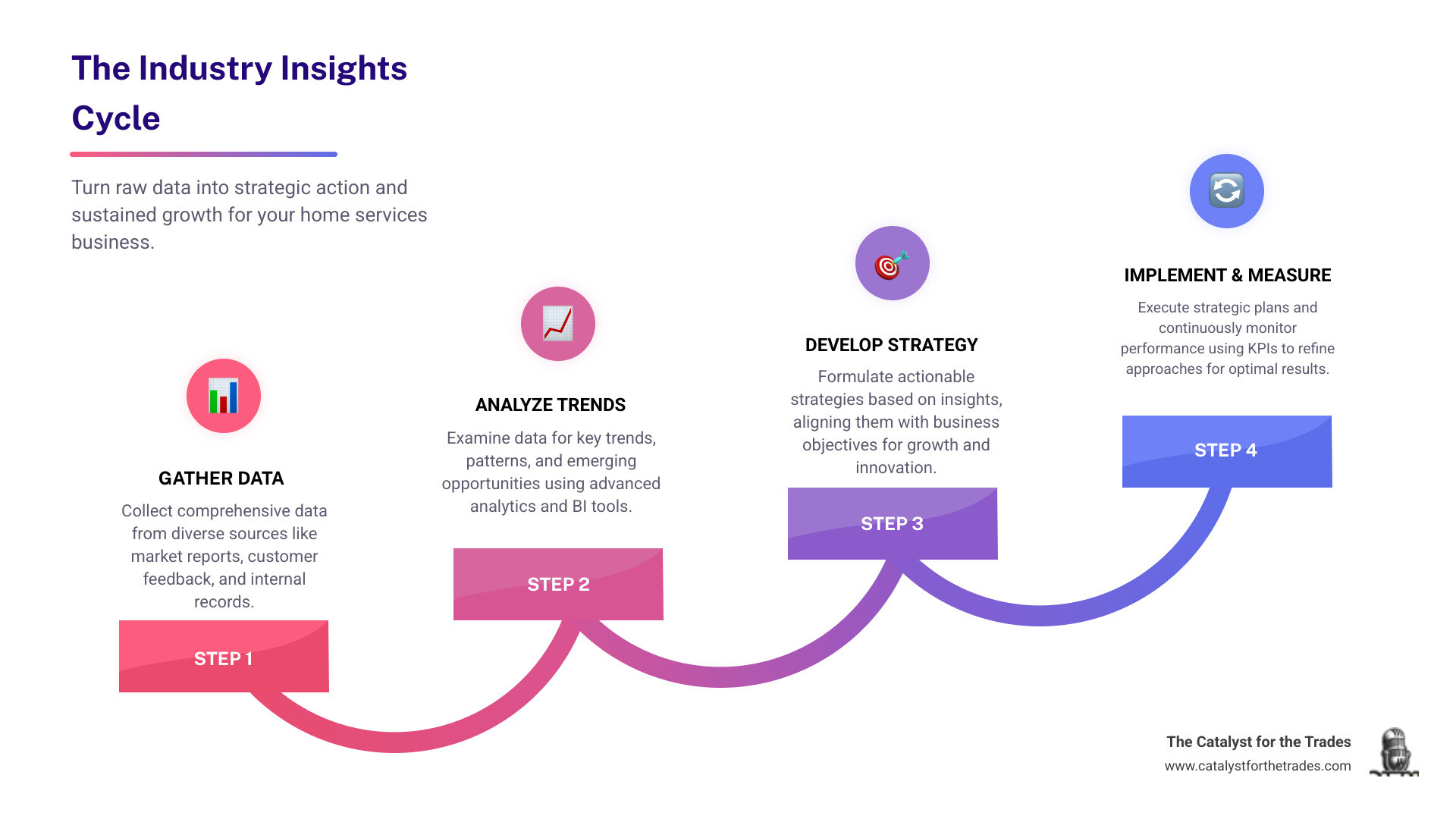
Industry insights terms at a glance:
The "Why": Opening up Competitive Advantage with Industry Insights
In home services, you're either moving forward or getting passed. Industry insights aren't a luxury—they're the difference between scaling profitably and stalling out. Solid intelligence gives you a competitive edge by spotting opportunities early, mitigates risk by anticipating problems, and creates a foundation for strategic growth based on market realities, not wishful thinking. It's about having the right intelligence to make confident moves that drive Home Service Business Growth.

Enhancing Strategic Decision-Making
What if you could replace guesswork with certainty? That's what industry insights deliver.
Instead of wondering whether to expand a service line or enter a new market, you have data on customer demand and pricing. This transforms how you make informed choices, aligning your offerings with genuine market needs. It's the foundation of effective Business Strategy Development and a solid Strategic Planning Process.
The businesses that thrive aren't the ones making the most decisions—they're the ones making the right decisions backed by real market intelligence.
Driving Innovation and Efficiency
Industry insights do more than inform—they spark innovation by revealing unmet customer needs. This allows you to develop new services before competitors.
This intelligence also guides smart choices about adopting new technologies that improve operations, not just add complexity. Whether it's streamlining dispatch or optimizing routes, insights show where to invest for maximum impact.
A commitment to Process Improvement and a thoughtful Innovation Strategy means you're constantly finding better ways to run your business and serve customers. For HVAC companies, this focus on optimizing operations translates to the strategies in our HVAC Business Operations Guide.
Mitigating Risks and Improving Financial Health
No business operates in a bubble. Anticipating economic downturns, supply chain disruptions, and regulatory changes is part of the landscape.
Industry insights act as an early warning system, helping you spot threats before they become crises. By comparing your financial performance to industry benchmarks, you gain clarity on where you stand. This proactive approach to building business resilience is why strong Financial Management Contractors are essential.
As we've discussed, Smart Accounting Transforms Chaos Into Opportunity, and combining it with industry intelligence prepares you to turn challenges into advantages.
How to Effectively Gather and Analyze Data
Think of data as raw ingredients. Without the right preparation, you're just staring at a pile of vegetables. When you know how to gather and process information effectively, you transform it into valuable industry insights that drive smart business decisions.
Primary Sources for Gathering Industry Insights
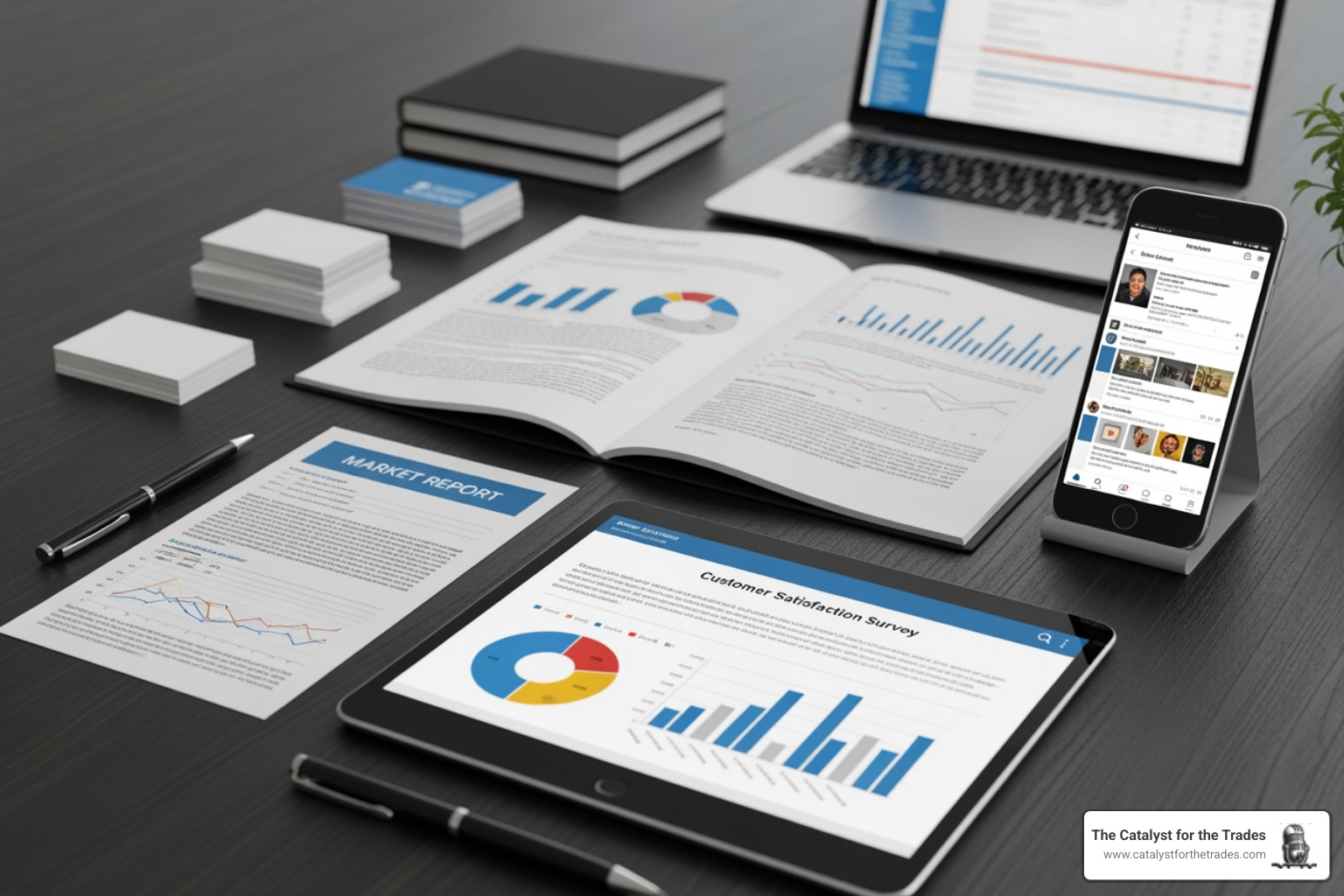
The secret to gathering meaningful industry insights is diversity. You need multiple perspectives to see the complete picture. Key sources include:
- Market research reports: Organizations like PMMI, Deloitte, and IBISWorld offer macro and micro perspectives on economic shifts, technology adoption, and market-specific forecasts.
- Competitor analysis: Understand who you're competing against, their offerings, and their weak spots to strategically position your business.
- Customer feedback: Surveys, online reviews, and direct conversations are invaluable sources of real-world data. To Wow Every Call: The Key to Customer Experience Excellence, you must listen to your customers.
- Networking and conferences: Events like TACCA Live provide qualitative insights and learning opportunities you can't find in reports.
- Internal data: Your CRM, financial records, and service logs reveal patterns about profitability, customer loyalty, and demand spikes.
The Role of Technology in Analysis
Gathering data is one thing; making sense of it is another. The right technology is essential.
- AI-powered tools: Artificial intelligence can process vast amounts of information, identify hidden patterns, and predict future trends, as detailed in our guide to AI Business Intelligence.
- Business intelligence (BI) platforms: These dashboards consolidate data from multiple sources, changing raw numbers into visual industry insights that your team can understand and act on.
- CRM system: Advanced analytics on your customer data can reveal valuable segments and service preferences. It's a strategic asset when you know How to Get Your CRM Right.
- Predictive analytics: Use historical data to anticipate future events, like equipment failures or peak demand seasons, allowing you to prevent fires instead of just putting them out.
- Data visualization: Charts and graphs transform complex data into clear stories, helping you grasp insights faster and communicate them effectively.
Key Trends and Technologies Shaping the Trades
The home services landscape is being completely reimagined by digital change, sustainability demands, and workforce evolution. The businesses that thrive will be the ones that recognize these shifts and adapt strategically, as we explore in The Future of Home Services: What Smart Companies Are Doing Now.
The AI Revolution in Home Services
Artificial intelligence is no longer a "someday" technology; it's here now. McKinsey calls AI a "foundational amplifier" that multiplies the impact of other innovations.
- AI in marketing and SEO: AI-driven tools help you understand customer search intent and create personalized campaigns that resonate. Learn more in How AI is Disrupting SEO.
- Customer service automation: AI chatbots and virtual assistants handle routine inquiries and scheduling, freeing up your team for complex issues. Our AI Customer Service Automation: Complete Guide shows how to implement these systems.
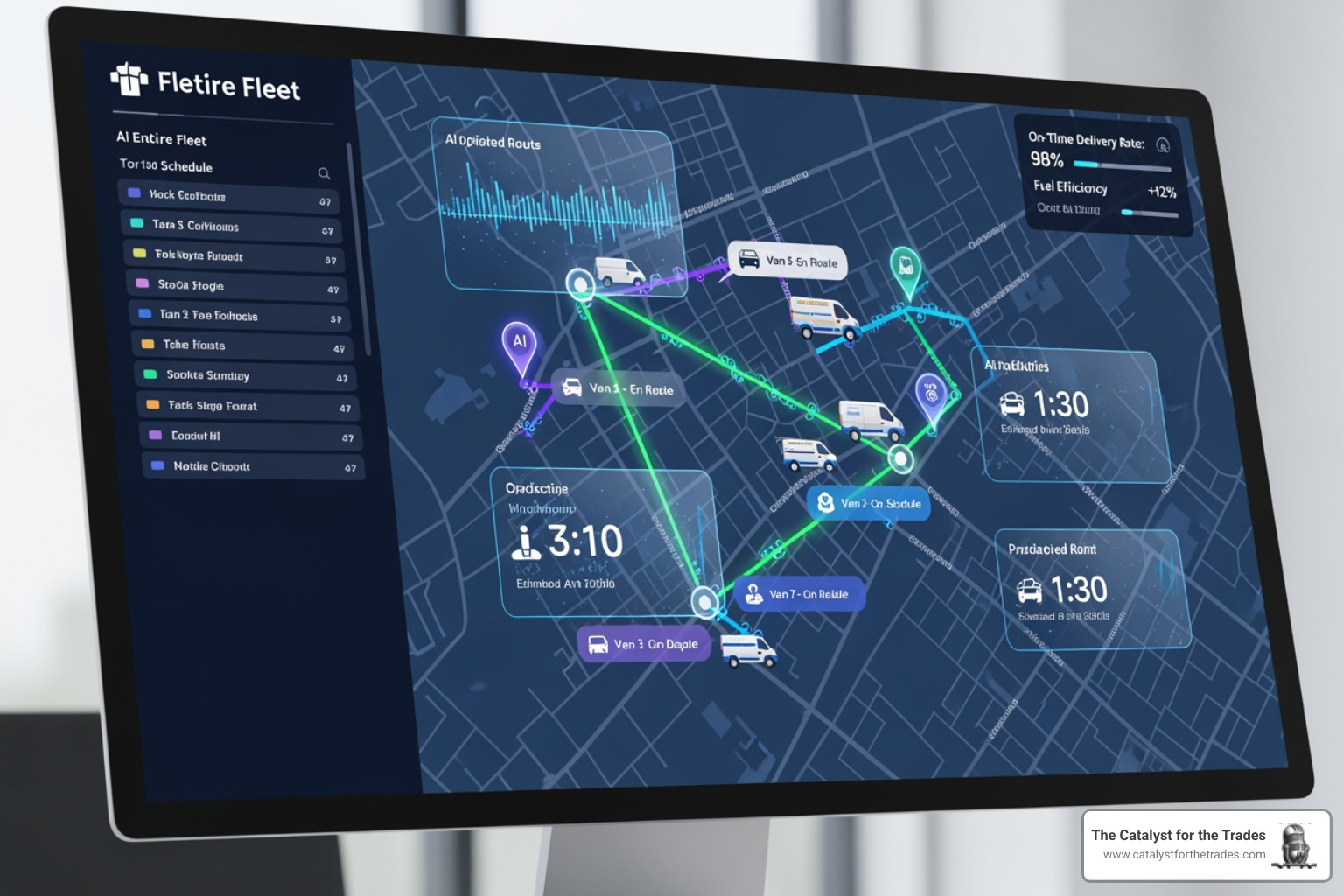
- Operational efficiency: AI-powered dispatch, route optimization, and predictive maintenance mean technicians spend more time with customers and less time on avoidable problems. These technologies are Changing the Home Service Game.
Evolving Customer Expectations
Customers now expect the same convenience from you that they get from Amazon or Uber.
- Digital experience: Online booking, real-time technician tracking, and digital invoicing are now standard expectations.
- On-demand service: Customers expect quick responses and flexible scheduling. The "we'll be there between 8 and 5" window is a thing of the past.
- Transparency and communication: Keep customers informed about arrival times, costs, and job progress to build trust.
- Personalized service: Use customer history to offer proactive solutions, shifting from transactional repairs to relationship-based service. Learn how to adapt in How to Stay Competitive as AI and Consumer Behavior Reshape Home Services.
Sustainability and Green Tech
Sustainability is a genuine market demand. Homeowners are willing to invest in solutions that lower their energy bills and environmental impact.
- Energy efficiency: High-efficiency HVAC systems and smart thermostats are top priorities for customers.
- Renewable energy integration: Understanding how solar or geothermal systems work with traditional equipment positions you as a knowledgeable partner. Deloitte's 2026 Energy, Resources, and Industrials Outlooks highlight the continued growth in renewables.
- Sustainable materials: Eco-friendly refrigerants and recyclable components are selling points.
- Customer interest in eco-friendly solutions: Educating homeowners on sustainable options builds trust and creates partnerships.
Putting Insights into Action for Proactive Growth
Gathering industry insights is only half the battle. Real change happens when you turn data into concrete strategies. This requires a commitment to Change Management and a culture of Continuous Learning. As we've seen, the businesses that Break Through Growth Plateaus are the ones that act on what they learn.
Tailoring Insights to Your Business Objectives
Not all data is equally important. Filter industry insights through the lens of your specific goals.
- Align insights with company goals: Ensure the data you consume supports your overarching Business Growth Strategies.
- Customize for service lines: Insights on refrigerant regulations are critical for HVAC, while water conservation trends matter more for plumbing. Make insights actionable for your specific offerings.
- Set KPIs to measure impact: Use Key Performance Indicators (KPIs) to track if your strategy is working. Effective Performance Management turns strategy into measurable results.
Building an Agile and Innovative Culture
To leverage insights, your organization must be agile and open to innovation.
- Empower teams to act on data: Your front-line staff sees opportunities first. Give them the insights and autonomy to solve problems quickly. This is key to The Future of Leadership.
- Encourage experimentation: A culture that allows for smart failures will innovate faster. As we say, you need to Start Failing Smarter.
- Strategic adaptation: Markets are dynamic. Regularly review insights and their impact to make necessary adjustments before you fall behind. Resources like our Leadership Circles Guide can help foster this adaptive mindset.
Navigating Pitfalls and Looking Ahead
While industry insights offer tremendous value, they're not a magic wand. We must approach data with a practical mindset, understanding its power and limitations. Even the best insights can lead you astray if used carelessly.

Potential Limitations to Consider
Be aware of these common pitfalls:
- Data accuracy and relevance: A national trend might not apply to your local market. Question if the data truly fits your business.
- The cost of research: Quality insights require an investment of time and money. Be strategic about where you spend your research budget.
- The speed of change: In a fast-moving industry, insights can become outdated quickly. Your relationship with data must be ongoing.
- Misinterpreting data: Numbers need context and expertise. Without the right analytical skills, it's easy to draw the wrong conclusions.
- Confirmation bias: We tend to see what we want to see in data. Challenge your own assumptions and seek diverse perspectives.
The Future of Industry Insights in the Trades
Looking ahead, the tools for gathering industry insights are becoming more sophisticated.
- Predictive and prescriptive analytics: These systems will move beyond forecasting to recommend specific actions in response to trends.
- Agentic AI for business strategy: As described by McKinsey, these are AI systems that can autonomously plan and execute complex workflows, acting as virtual coworkers.
- Real-time data integration: Seamless connectivity between all your business systems will create a living, continuously updated view of your business and market.
- Increased personalization: Future insights will help anticipate individual customer needs, enabling proactive maintenance and truly custom service. Explore these shifts in our episode on Navigating Industry Transformation: AI, Consumer Trends, and Strategic Business Models.
The future of industry insights isn't just about having more data—it's about having smarter systems that help us make better decisions faster. For home service businesses willing to accept these tools thoughtfully, the opportunities are enormous.
Conclusion
The home services industry is complex, but with industry insights, you're no longer guessing. You're making informed choices that position you ahead of the competition.
This guide has shown how insights sharpen decision-making, fuel innovation, and strengthen financial health. We've covered where to find data—from market reports to your own CRM—and how to analyze it with modern tools. We've also identified the key trends reshaping our world: the AI revolution, evolving customer expectations, and the demand for sustainability.
But gathering insights is just the start. The real power comes from tailoring them to your business goals and building an agile culture that acts on data. It means being aware of pitfalls like data bias and the rapid pace of change. The future is even more promising, with predictive analytics and Agentic AI set to augment our strategic capabilities.
The businesses that thrive will adopt a data-informed mindset—using insights as a compass, not a straitjacket. They will combine the best intelligence with hard-won experience and human judgment.
For ongoing strategies on leveraging technology and operational excellence in the home service industry, listen to the Catalyst for the Trades Podcast. Continuous improvement, fueled by solid insights, is the key to leading the way.
Why Industry Insights Are Your Business's Strategic Compass
Industry insights are the data and trends that show where your market is headed. For home service business owners facing digital competition and evolving customer expectations, these insights are crucial. Without them, you're making major decisions with outdated information. Businesses that use industry analysis mitigate risks, find opportunities, and make strategic decisions with conviction. The quality of your intelligence often determines whether you scale profitably or plateau.
Ready to build a data-driven growth strategy? Schedule a free strategic consultation to find how industry insights can transform your business operations.
What Industry Insights Deliver:
- Competitive Advantage - Spot market opportunities and threats before competitors do
- Risk Mitigation - Anticipate economic shifts, supply chain issues, and regulatory changes
- Strategic Growth - Make informed decisions about service expansion, pricing, and market entry
- Operational Efficiency - Identify technology investments that deliver measurable ROI
- Talent Strategy - Understand workforce trends to recruit and retain skilled technicians
The most successful home services companies don't just react to change—they anticipate it. Research from firms like McKinsey and Deloitte confirms that leveraging AI, automation, and data analytics is key. Digital change, sustainability, and workforce evolution are creating both challenges and unprecedented opportunities for trades businesses willing to act strategically.

Industry insights terms at a glance:
The "Why": Opening up Competitive Advantage with Industry Insights
In home services, you're either moving forward or getting passed. Industry insights aren't a luxury—they're the difference between scaling profitably and stalling out. Solid intelligence gives you a competitive edge by spotting opportunities early, mitigates risk by anticipating problems, and creates a foundation for strategic growth based on market realities, not wishful thinking. It's about having the right intelligence to make confident moves that drive Home Service Business Growth.

Enhancing Strategic Decision-Making
What if you could replace guesswork with certainty? That's what industry insights deliver.
Instead of wondering whether to expand a service line or enter a new market, you have data on customer demand and pricing. This transforms how you make informed choices, aligning your offerings with genuine market needs. It's the foundation of effective Business Strategy Development and a solid Strategic Planning Process.
The businesses that thrive aren't the ones making the most decisions—they're the ones making the right decisions backed by real market intelligence.
Driving Innovation and Efficiency
Industry insights do more than inform—they spark innovation by revealing unmet customer needs. This allows you to develop new services before competitors.
This intelligence also guides smart choices about adopting new technologies that improve operations, not just add complexity. Whether it's streamlining dispatch or optimizing routes, insights show where to invest for maximum impact.
A commitment to Process Improvement and a thoughtful Innovation Strategy means you're constantly finding better ways to run your business and serve customers. For HVAC companies, this focus on optimizing operations translates to the strategies in our HVAC Business Operations Guide.
Mitigating Risks and Improving Financial Health
No business operates in a bubble. Anticipating economic downturns, supply chain disruptions, and regulatory changes is part of the landscape.
Industry insights act as an early warning system, helping you spot threats before they become crises. By comparing your financial performance to industry benchmarks, you gain clarity on where you stand. This proactive approach to building business resilience is why strong Financial Management Contractors are essential.
As we've discussed, Smart Accounting Transforms Chaos Into Opportunity, and combining it with industry intelligence prepares you to turn challenges into advantages.
How to Effectively Gather and Analyze Data
Think of data as raw ingredients. Without the right preparation, you're just staring at a pile of vegetables. When you know how to gather and process information effectively, you transform it into valuable industry insights that drive smart business decisions.

Primary Sources for Gathering Industry Insights
The secret to gathering meaningful industry insights is diversity. You need multiple perspectives to see the complete picture. Key sources include:
- Market research reports: Organizations like PMMI, Deloitte, and IBISWorld offer macro and micro perspectives on economic shifts, technology adoption, and market-specific forecasts.
- Competitor analysis: Understand who you're competing against, their offerings, and their weak spots to strategically position your business.
- Customer feedback: Surveys, online reviews, and direct conversations are invaluable sources of real-world data. To Wow Every Call: The Key to Customer Experience Excellence, you must listen to your customers.
- Networking and conferences: Events like TACCA Live provide qualitative insights and learning opportunities you can't find in reports.
- Internal data: Your CRM, financial records, and service logs reveal patterns about profitability, customer loyalty, and demand spikes.
The Role of Technology in Analysis
Gathering data is one thing; making sense of it is another. The right technology is essential.
- AI-powered tools: Artificial intelligence can process vast amounts of information, identify hidden patterns, and predict future trends, as detailed in our guide to AI Business Intelligence.
- Business intelligence (BI) platforms: These dashboards consolidate data from multiple sources, changing raw numbers into visual industry insights that your team can understand and act on.
- CRM system: Advanced analytics on your customer data can reveal valuable segments and service preferences. It's a strategic asset when you know How to Get Your CRM Right.
- Predictive analytics: Use historical data to anticipate future events, like equipment failures or peak demand seasons, allowing you to prevent fires instead of just putting them out.
- Data visualization: Charts and graphs transform complex data into clear stories, helping you grasp insights faster and communicate them effectively.
Key Trends and Technologies Shaping the Trades
The home services landscape is being completely reimagined by digital change, sustainability demands, and workforce evolution. The businesses that thrive will be the ones that recognize these shifts and adapt strategically, as we explore in The Future of Home Services: What Smart Companies Are Doing Now.

The AI Revolution in Home Services
Artificial intelligence is no longer a "someday" technology; it's here now. McKinsey calls AI a "foundational amplifier" that multiplies the impact of other innovations.
- AI in marketing and SEO: AI-driven tools help you understand customer search intent and create personalized campaigns that resonate. Learn more in How AI is Disrupting SEO.
- Customer service automation: AI chatbots and virtual assistants handle routine inquiries and scheduling, freeing up your team for complex issues. Our AI Customer Service Automation: Complete Guide shows how to implement these systems.
- Operational efficiency: AI-powered dispatch, route optimization, and predictive maintenance mean technicians spend more time with customers and less time on avoidable problems. These technologies are Changing the Home Service Game.
Evolving Customer Expectations
Customers now expect the same convenience from you that they get from Amazon or Uber.
- Digital experience: Online booking, real-time technician tracking, and digital invoicing are now standard expectations.
- On-demand service: Customers expect quick responses and flexible scheduling. The "we'll be there between 8 and 5" window is a thing of the past.
- Transparency and communication: Keep customers informed about arrival times, costs, and job progress to build trust.
- Personalized service: Use customer history to offer proactive solutions, shifting from transactional repairs to relationship-based service. Learn how to adapt in How to Stay Competitive as AI and Consumer Behavior Reshape Home Services.
Sustainability and Green Tech
Sustainability is a genuine market demand. Homeowners are willing to invest in solutions that lower their energy bills and environmental impact.
- Energy efficiency: High-efficiency HVAC systems and smart thermostats are top priorities for customers.
- Renewable energy integration: Understanding how solar or geothermal systems work with traditional equipment positions you as a knowledgeable partner. Deloitte's 2026 Energy, Resources, and Industrials Outlooks highlight the continued growth in renewables.
- Sustainable materials: Eco-friendly refrigerants and recyclable components are selling points.
- Customer interest in eco-friendly solutions: Educating homeowners on sustainable options builds trust and creates partnerships.
Putting Insights into Action for Proactive Growth
Gathering industry insights is only half the battle. Real change happens when you turn data into concrete strategies. This requires a commitment to Change Management and a culture of Continuous Learning. As we've seen, the businesses that Break Through Growth Plateaus are the ones that act on what they learn.
Tailoring Insights to Your Business Objectives
Not all data is equally important. Filter industry insights through the lens of your specific goals.
- Align insights with company goals: Ensure the data you consume supports your overarching Business Growth Strategies.
- Customize for service lines: Insights on refrigerant regulations are critical for HVAC, while water conservation trends matter more for plumbing. Make insights actionable for your specific offerings.
- Set KPIs to measure impact: Use Key Performance Indicators (KPIs) to track if your strategy is working. Effective Performance Management turns strategy into measurable results.
Building an Agile and Innovative Culture
To leverage insights, your organization must be agile and open to innovation.
- Empower teams to act on data: Your front-line staff sees opportunities first. Give them the insights and autonomy to solve problems quickly. This is key to The Future of Leadership.
- Encourage experimentation: A culture that allows for smart failures will innovate faster. As we say, you need to Start Failing Smarter.
- Strategic adaptation: Markets are dynamic. Regularly review insights and their impact to make necessary adjustments before you fall behind. Resources like our Leadership Circles Guide can help foster this adaptive mindset.
Navigating Pitfalls and Looking Ahead
While industry insights offer tremendous value, they're not a magic wand. We must approach data with a practical mindset, understanding its power and limitations. Even the best insights can lead you astray if used carelessly.

Potential Limitations to Consider
Be aware of these common pitfalls:
- Data accuracy and relevance: A national trend might not apply to your local market. Question if the data truly fits your business.
- The cost of research: Quality insights require an investment of time and money. Be strategic about where you spend your research budget.
- The speed of change: In a fast-moving industry, insights can become outdated quickly. Your relationship with data must be ongoing.
- Misinterpreting data: Numbers need context and expertise. Without the right analytical skills, it's easy to draw the wrong conclusions.
- Confirmation bias: We tend to see what we want to see in data. Challenge your own assumptions and seek diverse perspectives.
The Future of Industry Insights in the Trades
Looking ahead, the tools for gathering industry insights are becoming more sophisticated.
- Predictive and prescriptive analytics: These systems will move beyond forecasting to recommend specific actions in response to trends.
- Agentic AI for business strategy: As described by McKinsey, these are AI systems that can autonomously plan and execute complex workflows, acting as virtual coworkers.
- Real-time data integration: Seamless connectivity between all your business systems will create a living, continuously updated view of your business and market.
- Increased personalization: Future insights will help anticipate individual customer needs, enabling proactive maintenance and truly custom service. Explore these shifts in our episode on Navigating Industry Transformation: AI, Consumer Trends, and Strategic Business Models.
The future of industry insights isn't just about having more data—it's about having smarter systems that help us make better decisions faster. For home service businesses willing to accept these tools thoughtfully, the opportunities are enormous.
Conclusion
The home services industry is complex, but with industry insights, you're no longer guessing. You're making informed choices that position you ahead of the competition.
This guide has shown how insights sharpen decision-making, fuel innovation, and strengthen financial health. We've covered where to find data—from market reports to your own CRM—and how to analyze it with modern tools. We've also identified the key trends reshaping our world: the AI revolution, evolving customer expectations, and the demand for sustainability.
But gathering insights is just the start. The real power comes from tailoring them to your business goals and building an agile culture that acts on data. It means being aware of pitfalls like data bias and the rapid pace of change. The future is even more promising, with predictive analytics and Agentic AI set to augment our strategic capabilities.
The businesses that thrive will adopt a data-informed mindset—using insights as a compass, not a straitjacket. They will combine the best intelligence with hard-won experience and human judgment.
For ongoing strategies on leveraging technology and operational excellence in the home service industry, listen to the Catalyst for the Trades Podcast. Continuous improvement, fueled by solid insights, is the key to leading the way.
Why Industry Insights Are Your Business's Strategic Compass
Industry insights are the data and trends that show where your market is headed. For home service business owners facing digital competition and evolving customer expectations, these insights are crucial. Without them, you're making major decisions with outdated information. Businesses that use industry analysis mitigate risks, find opportunities, and make strategic decisions with conviction. The quality of your intelligence often determines whether you scale profitably or plateau.
Ready to build a data-driven growth strategy? Schedule a free strategic consultation to find how industry insights can transform your business operations.
What Industry Insights Deliver:
- Competitive Advantage - Spot market opportunities and threats before competitors do
- Risk Mitigation - Anticipate economic shifts, supply chain issues, and regulatory changes
- Strategic Growth - Make informed decisions about service expansion, pricing, and market entry
- Operational Efficiency - Identify technology investments that deliver measurable ROI
- Talent Strategy - Understand workforce trends to recruit and retain skilled technicians
The most successful home services companies don't just react to change—they anticipate it. Research from firms like McKinsey and Deloitte confirms that leveraging AI, automation, and data analytics is key. Digital change, sustainability, and workforce evolution are creating both challenges and unprecedented opportunities for trades businesses willing to act strategically.

Industry insights terms at a glance:
The "Why": Opening up Competitive Advantage with Industry Insights
In home services, you're either moving forward or getting passed. Industry insights aren't a luxury—they're the difference between scaling profitably and stalling out. Solid intelligence gives you a competitive edge by spotting opportunities early, mitigates risk by anticipating problems, and creates a foundation for strategic growth based on market realities, not wishful thinking. It's about having the right intelligence to make confident moves that drive Home Service Business Growth.

Enhancing Strategic Decision-Making
What if you could replace guesswork with certainty? That's what industry insights deliver.
Instead of wondering whether to expand a service line or enter a new market, you have data on customer demand and pricing. This transforms how you make informed choices, aligning your offerings with genuine market needs. It's the foundation of effective Business Strategy Development and a solid Strategic Planning Process.
The businesses that thrive aren't the ones making the most decisions—they're the ones making the right decisions backed by real market intelligence.
Driving Innovation and Efficiency
Industry insights do more than inform—they spark innovation by revealing unmet customer needs. This allows you to develop new services before competitors.
This intelligence also guides smart choices about adopting new technologies that improve operations, not just add complexity. Whether it's streamlining dispatch or optimizing routes, insights show where to invest for maximum impact.
A commitment to Process Improvement and a thoughtful Innovation Strategy means you're constantly finding better ways to run your business and serve customers. For HVAC companies, this focus on optimizing operations translates to the strategies in our HVAC Business Operations Guide.
Mitigating Risks and Improving Financial Health
No business operates in a bubble. Anticipating economic downturns, supply chain disruptions, and regulatory changes is part of the landscape.
Industry insights act as an early warning system, helping you spot threats before they become crises. By comparing your financial performance to industry benchmarks, you gain clarity on where you stand. This proactive approach to building business resilience is why strong Financial Management Contractors are essential.
As we've discussed, Smart Accounting Transforms Chaos Into Opportunity, and combining it with industry intelligence prepares you to turn challenges into advantages.
How to Effectively Gather and Analyze Data
Think of data as raw ingredients. Without the right preparation, you're just staring at a pile of vegetables. When you know how to gather and process information effectively, you transform it into valuable industry insights that drive smart business decisions.

Primary Sources for Gathering Industry Insights
The secret to gathering meaningful industry insights is diversity. You need multiple perspectives to see the complete picture. Key sources include:
- Market research reports: Organizations like PMMI, Deloitte, and IBISWorld offer macro and micro perspectives on economic shifts, technology adoption, and market-specific forecasts.
- Competitor analysis: Understand who you're competing against, their offerings, and their weak spots to strategically position your business.
- Customer feedback: Surveys, online reviews, and direct conversations are invaluable sources of real-world data. To Wow Every Call: The Key to Customer Experience Excellence, you must listen to your customers.
- Networking and conferences: Events like TACCA Live provide qualitative insights and learning opportunities you can't find in reports.
- Internal data: Your CRM, financial records, and service logs reveal patterns about profitability, customer loyalty, and demand spikes.
The Role of Technology in Analysis
Gathering data is one thing; making sense of it is another. The right technology is essential.
- AI-powered tools: Artificial intelligence can process vast amounts of information, identify hidden patterns, and predict future trends, as detailed in our guide to AI Business Intelligence.
- Business intelligence (BI) platforms: These dashboards consolidate data from multiple sources, changing raw numbers into visual industry insights that your team can understand and act on.
- CRM system: Advanced analytics on your customer data can reveal valuable segments and service preferences. It's a strategic asset when you know How to Get Your CRM Right.
- Predictive analytics: Use historical data to anticipate future events, like equipment failures or peak demand seasons, allowing you to prevent fires instead of just putting them out.
- Data visualization: Charts and graphs transform complex data into clear stories, helping you grasp insights faster and communicate them effectively.
Key Trends and Technologies Shaping the Trades
The home services landscape is being completely reimagined by digital change, sustainability demands, and workforce evolution. The businesses that thrive will be the ones that recognize these shifts and adapt strategically, as we explore in The Future of Home Services: What Smart Companies Are Doing Now.

The AI Revolution in Home Services
Artificial intelligence is no longer a "someday" technology; it's here now. McKinsey calls AI a "foundational amplifier" that multiplies the impact of other innovations.
- AI in marketing and SEO: AI-driven tools help you understand customer search intent and create personalized campaigns that resonate. Learn more in How AI is Disrupting SEO.
- Customer service automation: AI chatbots and virtual assistants handle routine inquiries and scheduling, freeing up your team for complex issues. Our AI Customer Service Automation: Complete Guide shows how to implement these systems.
- Operational efficiency: AI-powered dispatch, route optimization, and predictive maintenance mean technicians spend more time with customers and less time on avoidable problems. These technologies are Changing the Home Service Game.
Evolving Customer Expectations
Customers now expect the same convenience from you that they get from Amazon or Uber.
- Digital experience: Online booking, real-time technician tracking, and digital invoicing are now standard expectations.
- On-demand service: Customers expect quick responses and flexible scheduling. The "we'll be there between 8 and 5" window is a thing of the past.
- Transparency and communication: Keep customers informed about arrival times, costs, and job progress to build trust.
- Personalized service: Use customer history to offer proactive solutions, shifting from transactional repairs to relationship-based service. Learn how to adapt in How to Stay Competitive as AI and Consumer Behavior Reshape Home Services.
Sustainability and Green Tech
Sustainability is a genuine market demand. Homeowners are willing to invest in solutions that lower their energy bills and environmental impact.
- Energy efficiency: High-efficiency HVAC systems and smart thermostats are top priorities for customers.
- Renewable energy integration: Understanding how solar or geothermal systems work with traditional equipment positions you as a knowledgeable partner. Deloitte's 2026 Energy, Resources, and Industrials Outlooks highlight the continued growth in renewables.
- Sustainable materials: Eco-friendly refrigerants and recyclable components are selling points.
- Customer interest in eco-friendly solutions: Educating homeowners on sustainable options builds trust and creates partnerships.
Putting Insights into Action for Proactive Growth
Gathering industry insights is only half the battle. Real change happens when you turn data into concrete strategies. This requires a commitment to Change Management and a culture of Continuous Learning. As we've seen, the businesses that Break Through Growth Plateaus are the ones that act on what they learn.
Tailoring Insights to Your Business Objectives
Not all data is equally important. Filter industry insights through the lens of your specific goals.
- Align insights with company goals: Ensure the data you consume supports your overarching Business Growth Strategies.
- Customize for service lines: Insights on refrigerant regulations are critical for HVAC, while water conservation trends matter more for plumbing. Make insights actionable for your specific offerings.
- Set KPIs to measure impact: Use Key Performance Indicators (KPIs) to track if your strategy is working. Effective Performance Management turns strategy into measurable results.
Building an Agile and Innovative Culture
To leverage insights, your organization must be agile and open to innovation.
- Empower teams to act on data: Your front-line staff sees opportunities first. Give them the insights and autonomy to solve problems quickly. This is key to The Future of Leadership.
- Encourage experimentation: A culture that allows for smart failures will innovate faster. As we say, you need to Start Failing Smarter.
- Strategic adaptation: Markets are dynamic. Regularly review insights and their impact to make necessary adjustments before you fall behind. Resources like our Leadership Circles Guide can help foster this adaptive mindset.
Navigating Pitfalls and Looking Ahead
While industry insights offer tremendous value, they're not a magic wand. We must approach data with a practical mindset, understanding its power and limitations. Even the best insights can lead you astray if used carelessly.

Potential Limitations to Consider
Be aware of these common pitfalls:
- Data accuracy and relevance: A national trend might not apply to your local market. Question if the data truly fits your business.
- The cost of research: Quality insights require an investment of time and money. Be strategic about where you spend your research budget.
- The speed of change: In a fast-moving industry, insights can become outdated quickly. Your relationship with data must be ongoing.
- Misinterpreting data: Numbers need context and expertise. Without the right analytical skills, it's easy to draw the wrong conclusions.
- Confirmation bias: We tend to see what we want to see in data. Challenge your own assumptions and seek diverse perspectives.
The Future of Industry Insights in the Trades
Looking ahead, the tools for gathering industry insights are becoming more sophisticated.
- Predictive and prescriptive analytics: These systems will move beyond forecasting to recommend specific actions in response to trends.
- Agentic AI for business strategy: As described by McKinsey, these are AI systems that can autonomously plan and execute complex workflows, acting as virtual coworkers.
- Real-time data integration: Seamless connectivity between all your business systems will create a living, continuously updated view of your business and market.
- Increased personalization: Future insights will help anticipate individual customer needs, enabling proactive maintenance and truly custom service. Explore these shifts in our episode on Navigating Industry Transformation: AI, Consumer Trends, and Strategic Business Models.
The future of industry insights isn't just about having more data—it's about having smarter systems that help us make better decisions faster. For home service businesses willing to accept these tools thoughtfully, the opportunities are enormous.
Conclusion
The home services industry is complex, but with industry insights, you're no longer guessing. You're making informed choices that position you ahead of the competition.
This guide has shown how insights sharpen decision-making, fuel innovation, and strengthen financial health. We've covered where to find data—from market reports to your own CRM—and how to analyze it with modern tools. We've also identified the key trends reshaping our world: the AI revolution, evolving customer expectations, and the demand for sustainability.
But gathering insights is just the start. The real power comes from tailoring them to your business goals and building an agile culture that acts on data. It means being aware of pitfalls like data bias and the rapid pace of change. The future is even more promising, with predictive analytics and Agentic AI set to augment our strategic capabilities.
The businesses that thrive will adopt a data-informed mindset—using insights as a compass, not a straitjacket. They will combine the best intelligence with hard-won experience and human judgment.
For ongoing strategies on leveraging technology and operational excellence in the home service industry, listen to the Catalyst for the Trades Podcast. Continuous improvement, fueled by solid insights, is the key to leading the way.
Jennifer Bagley
Jennifer Bagley is the CEO and founder of CI Web Group, an AI-enabled marketing agency helping home service businesses achieve exceptional growth. With over 15 years of experience, she has led companies to significantly increase their leads and revenue through innovative strategies and emerging technologies. Her 12 Step Roadmap to Accelerated Results is a trusted framework for HVAC, plumbing, and electrical companies looking to expand their markets and achieve lasting success.
Chuck Staszkiewicz
Chuck is an accomplished entrepreneur and growth strategist, renowned for scaling All Hours Plumbing into a $20 million industry leader before its successful sale in 2023. A co-founder of The Opus & Golds Group, he helps companies grow through innovative strategies and operational excellence. Through his work, Chuck continues to inspire entrepreneurs to achieve their highest potential.
Episodes you may like
The Efficiency Edge: Reducing Costs and Boosting Output
Learn to boost output & reduce costs. Master operational efficiency with strategies, tools, and metrics for your trade business.
The Skill Set Upgrade: Boosting Your Team's Potential
Boost your team's potential! Learn how skill development drives growth, retention, and competitive advantage for your home service business.
From Skeptic to Super-User: Navigating the Technology Adoption Curve
Master technology adoption in home services. Navigate the S-curve, overcome skepticism, and gain a competitive edge for business growth.